In Grande Prairie, replacing your water heater is imperative when it approaches or surpasses its average lifespan of 8 to 12 years. Aging units may exhibit signs of rust, corrosion, leaks, and strange noises. These indicators often lead to increased energy bills due to reduced heating efficiency from sediment buildup. Frequent repairs can further strain your budget as the water heater struggles with performance. Be mindful of fluctuating water temperatures, persistent operational noise, and unusual spikes in utility costs. Considering energy-efficient models could offer significant savings. Exploring this issue will provide you with a thorough understanding of timely replacement.
Key Takeaways
- Replace your water heater if it's over 12 years old to prevent potential issues. Consider replacement if you notice persistent leaks, rust, or corrosion indicating internal damage. Rising energy bills and fluctuating water temperatures suggest declining efficiency warranting a new unit. Frequent repairs and escalating costs may make replacement more cost-effective than continuing repairs. Evaluate switching to energy-efficient models for long-term savings and improved performance.
Signs of Aging Water Heaters
As water heaters age, they often exhibit certain telltale signs that indicate the need for replacement. Understanding these signs can help homeowners maintain uninterrupted access to hot water while avoiding unexpected breakdowns.
One of the primary indicators of an aging water heater is its lifespan. Typically, conventional water heaters have a lifespan of 8 to 12 years, depending on usage and maintenance. As they approach this age, the likelihood of issues increases, and efficiency may decline.
Regular maintenance is essential in extending a water heater's lifespan. Homeowners should conduct periodic inspections to identify rust or corrosion on the tank. Additionally, strange noises such as rumbling or popping sounds could suggest sediment buildup, which can affect performance.
Implementing maintenance tips like flushing the tank annually can mitigate these issues by removing sediment and guaranteeing peak operation.
Water heater leaks are another sign of aging, often appearing near the base of the tank. Such leaks can indicate internal damage, warranting immediate attention.
" width="560" height="315" frameborder="0" allowfullscreen>
Homeowners should also monitor for inconsistent water temperature, as fluctuations may suggest the unit is nearing the end of its useful life. Recognizing these signs guarantees timely replacement, avoiding inconvenience and costly repairs.
Decreased Heating Efficiency
While water heaters are designed to provide consistent heating performance, decreased efficiency is a common issue as they age. Over time, sediment buildup within the tank is a primary factor contributing to reduced heating efficiency. This layer of sediment acts as an insulator, requiring the heating element to work harder and use more energy to achieve the desired water temperature.
As a result, you may notice fluctuating water temperatures or increased energy bills, both indicators that your water heater's performance is diminishing.
Understanding the typical water heater lifespan, which ranges from 8 to 12 years, can help homeowners determine when decreased efficiency might signal the need for replacement. However, regular maintenance can extend the operational life and efficiency of your unit.
Maintenance tips include flushing the tank annually to remove sediment and inspecting the anode rod, which helps prevent tank corrosion. These measures can mitigate efficiency loss, ensuring more reliable performance.
Nevertheless, if your water heater continues to struggle despite proper maintenance, it may be nearing the end of its useful life. Evaluating the cost of diminished efficiency against the benefits of a newer, more energy-efficient model can aid in deciding whether replacement is the most viable option.
Frequent Repair Needs
Beyond decreased heating efficiency, frequent repair needs are another significant indicator that it might be time to replace your water heater. As water heaters age, the maintenance frequency often increases, leading to escalating repair costs. Regular breakdowns not only disrupt daily activities but also strain budgets, as constant repairs can quickly add up. It is essential to evaluate the costs https://blogfreely.net/edelinmtwl/the-most-common-causes-of-burst-pipes-and-how-to-avoid-them of repeated repairs against the price of a new unit, as continuing to fix an aging water heater may not be cost-effective in the long run.
Here is a quick comparison to help make an informed decision:
| Repair Type | Average Cost ($) | Frequency (per year) | |-------------------|------------------|----------------------| | Thermostat Repair | 150 | 1-2 | | Anode Rod Replacement | 100 | 1 | | Heating Element Repair | 200 | 1-3 | | Pressure Relief Valve Repair | 90 | 1 | | General Tune-Up | 80 | 2-4 |
As this table illustrates, frequent repairs can accumulate substantial repair costs over time. If your water heater frequently requires maintenance or if repair visits become more frequent, it might be wise to contemplate a replacement. Prioritizing efficiency and long-term savings can lead to a more reliable and cost-effective solution for your household's hot water needs.
Leaks and Rust Issues
Corrosion is a silent saboteur that can signal the need for a water heater replacement. Over time, internal components of water heaters can succumb to rust, leading to leaks and potential water damage in your Grande Prairie home.
Detecting leaks early is vital in minimizing damage and costs. Leak detection often becomes apparent through visible water pooling around the heater, or through a drop in water pressure, both of which warrant immediate attention.
Rust prevention is equally important in extending the lifespan of a water heater. Regular maintenance, such as inspecting and replacing the anode rod, can help combat internal corrosion.
An anode rod is designed to attract corrosive elements, sparing the tank walls from rust. However, once the rod is depleted, the tank becomes vulnerable. As a result, periodic inspections are essential for effective rust prevention.
In cases where rust has already compromised the integrity of the tank, replacement is often the most viable solution. A rusted tank poses a risk of sudden failure, which could lead to significant water leakage and property damage.
Fluctuating Water Temperatures
Fluctuating water temperatures can be a clear indicator that your water heater is nearing the end of its useful life. Inconsistent temperatures are not just inconvenient; they can also signify deeper issues within the heating system.
One of the primary causes of fluctuations is the buildup of sediment within the tank. Over time, minerals from hard water settle at the bottom, creating an insulating layer that hinders the heater's efficiency in maintaining temperature. As a result, you may experience sudden changes from hot to cold water during use.
Another potential cause of fluctuating temperatures is a malfunctioning thermostat. The thermostat regulates the heating elements, and any discrepancies can lead to inconsistent water heating. If the thermostat is failing, it may not accurately detect the water temperature, thereby failing to signal the heating elements effectively.
Additionally, the age of the water heater plays a role in maintaining temperature consistency. Older units often have worn-out components that struggle to handle consistent water heating demands.
If you notice that adjusting the thermostat does not resolve the issue, it might be time to contemplate replacing the unit. Addressing these problems promptly guarantees a steady supply of hot water and enhances overall efficiency.
Noisy Operation
A water heater's noisy operation is often an early warning sign of underlying issues that may necessitate replacement. Common sounds such as rumbling, popping, or banging can be indicative of sediment build-up, a sign that water heater maintenance is overdue. When minerals and debris settle at the bottom of the tank, they can create a barrier between the heating elements and the water, causing the heater to work harder and produce noise. Regular flushing of the tank is a preventive measure that can aid in noise reduction and prolong the unit's lifespan.
| Noise Type | Possible Cause | |----------------|-----------------------| | Rumbling | Sediment build-up | | Popping | Mineral deposits | | Banging | Expansion and contraction| | Hissing | Leaks or pressure issues| | Crackling | Moisture on burners |
In some instances, noises may also arise from loose components, such as brackets or pipes, which require tightening or replacement to achieve effective noise reduction. It is essential to conduct regular inspections as part of water heater maintenance, ensuring that all components are secure and functioning efficiently. If noises persist despite maintenance efforts, it may be time to evaluate replacing the unit to avoid more significant problems in the future.
Rising Energy Bills
Persistent noise issues can often coincide with rising energy bills, another indicator that a water heater may be nearing the end of its useful life. As water heaters age, their energy efficiency tends to decline. Accumulated sediment at the bottom of the tank can create a barrier between the heating element and the water, forcing the heater to work harder and consume more energy.
This inefficiency is directly reflected in higher utility bills, making it financially prudent to monitor these costs closely.
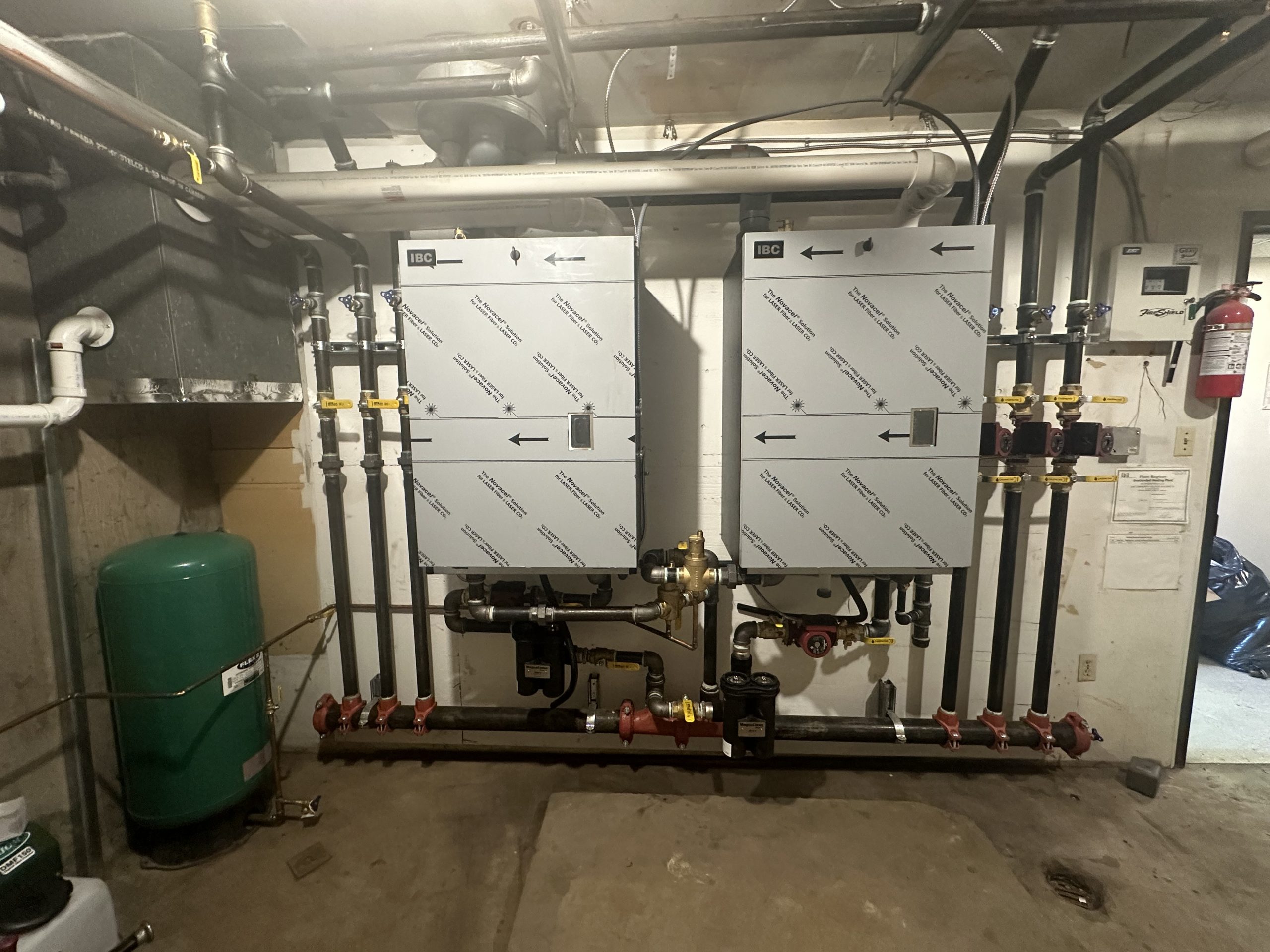
Energy-efficient water heaters are designed to optimize performance while minimizing energy consumption, translating into significant cost savings over time. In Grande Prairie, where winter temperatures can plummet, a high-performing water heater is essential for maintaining comfort without breaking the bank.
If you notice a consistent increase in energy costs without a corresponding increase in usage, the water heater's declining efficiency could be the culprit.
Timely replacement can prevent unnecessarily high energy expenses, allowing homeowners to take advantage of modern advancements in water heating technology. Choosing an energy-efficient model not only benefits the environment by reducing energy demand but also offers long-term financial savings, making it a wise investment.
Evaluating Replacement Options
Recognizing the need for a new water heater is only the first step; evaluating replacement options requires careful consideration of several factors to guarantee the best fit for your home. The primary considerations include tank types and energy sources, both of which greatly influence efficiency and cost-effectiveness.
The table below summarizes essential aspects to contemplate:
| Consideration | Options/Details | |--------------------|--------------------------------------------------| | Tank Types | Traditional (storage) tanks, Tankless (on-demand)| | Energy Sources | Electricity, Natural Gas, Propane, Solar | | Installation Costs | Varies by type and complexity | | Efficiency Ratings | Energy Factor (EF) | | Space Requirements | Compact (tankless) vs. Larger (storage tanks) |
Traditional tanks store heated water, while tankless models heat water as needed, offering energy savings albeit with higher upfront costs. Energy sources range from electricity and natural gas to propane and solar, with each offering different operational costs and environmental impacts. Installation costs can vary greatly based on the type and complexity of the system chosen. Additionally, consider the energy factor (EF) rating to evaluate efficiency, as this impacts long-term utility bills. Finally, assess space requirements; tankless models generally require less space, which can be a deciding factor for smaller homes.
Conclusion
In Grande Prairie, the lifespan of a typical water heater is approximately 10 to 15 years, and recognizing signs of aging is vital for maintaining household efficiency. Decreased heating efficiency, frequent repairs, leaks, rust, fluctuating temperatures, noisy operations, and rising energy bills all indicate a need for replacement. Curiously, replacing inefficient water heaters can reduce energy consumption by up to 20%, highlighting the importance of timely upgrades. Evaluating replacement options guarantees peak performance and energy savings for homeowners.